
Central SA
Patients missing vital support as palliative care referrals come too late─── KEKELETSO MOSEBETSI 09:37 Fri, 09 Oct 2026

Palliative care should begin when a person is diagnosed with a life-threatening illness, rather than being reserved for the final stages of life.
The call comes ahead of World Hospice and Palliative Care Day on Saturday (10/10) amid concern that misconceptions about palliative care are preventing patients and their families from accessing support early enough.
Hanneke Lubbe, Association of Palliative Care Centres (APCC) board member, said patients are often referred only when they are nearing the end of life, missing the opportunity to receive support for pain and other symptoms while treatment is still under way.
Palliative care provides physical, psychological, social and spiritual support through an interdisciplinary team to people living with life-threatening illnesses and their loved ones. It can begin at diagnosis and continue throughout treatment, with bereavement support provided to families where needed.
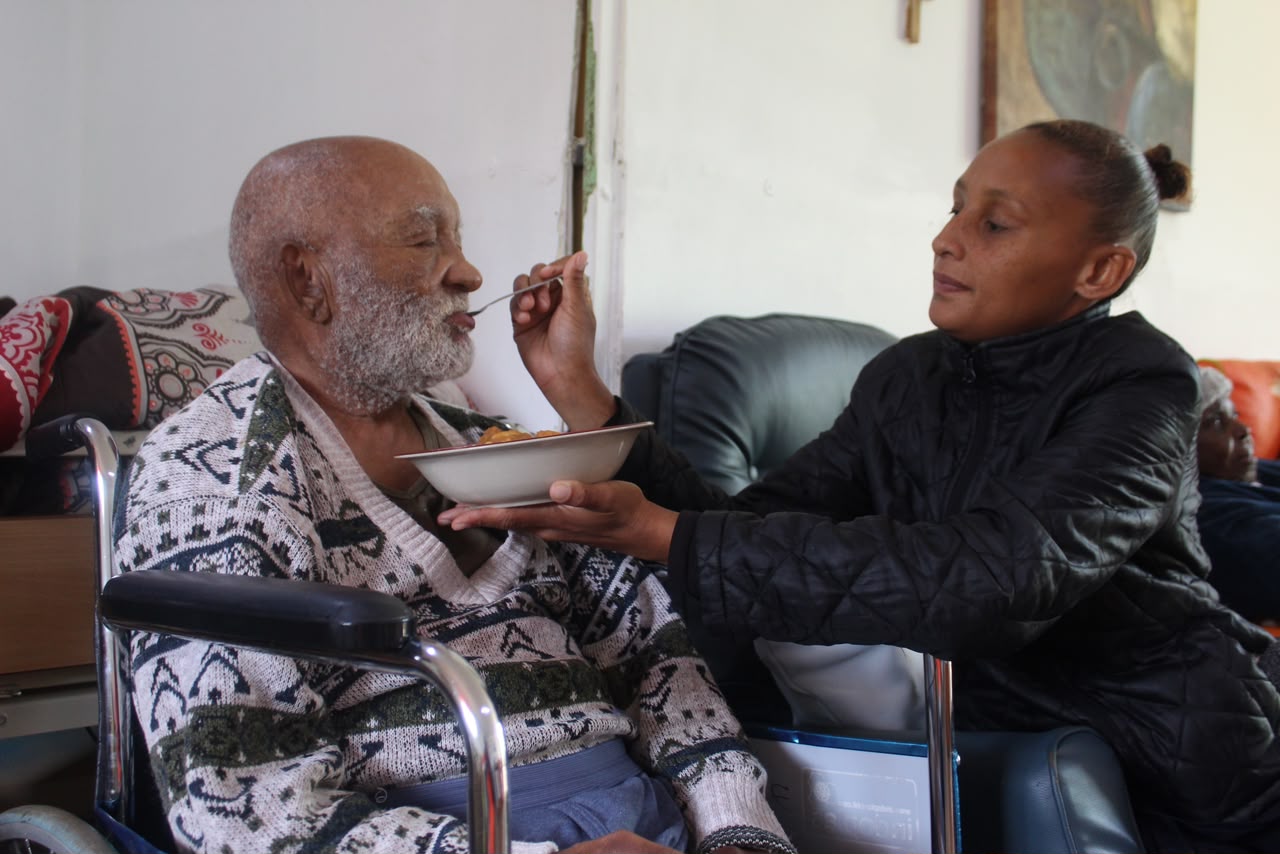
At Ladies of Hope’s IPU, one the dedicated caregivers gently feeds a patient with care and compassion. Photo supplied
Lubbe said quality palliative care can be introduced as soon as a serious illness is diagnosed, helping patients and their families receive support at a stage when it can still make a significant difference to their quality of life.
The National Policy Framework and Strategy on Palliative Care, adopted in 2017, calls for palliative care to be integrated across all levels of the health system. It defines the service as multidisciplinary care for patients and families affected by life-limiting or life-threatening illnesses from the point of diagnosis.
Motlalentoa Motsoane, APCC chief executive officer, said the perception that palliative care is only for people nearing the end of their lives often delays important conversations and access to support.
“Too often, palliative care enters the conversation when a patient is nearing the end of life. By then, we have lost valuable time when that person and their family could have been receiving support. We need to change the perception that palliative care is only something to consider when treatment options are running out,” he said.
Dr Sinalo Maleho of East Rand Palliative Care said palliative care can make a meaningful difference while patients continue receiving treatment by helping to manage pain and other symptoms.
“Palliative care helps manage patients’ pain and other symptoms, especially during their treatment programme. This can help them fight their disease more effectively,” she said.

Motlalentoa Motsoane, APCC chief executive officer. Photo supplied
Motsoane pointed to the experience of a young mother receiving care from Estcourt Hospice in KwaZulu-Natal as an example of how early palliative support can improve quality of life.
When she entered hospice care, the woman was bedbound, paraplegic and had limited movement in her upper body. She was living with HIV and a recto-vaginal fistula, while her aunt cared for her and her children.
The hospice helped bring her pain under control, manage other symptoms and provide emotional support. Her mobility gradually improved, allowing her to return to her own home and later undergo surgery for severe foot drop caused by months of immobility.

She can now stand with the assistance of a walker and has resumed cooking and caring for herself, with support from her children and partner. Estcourt Hospice continues to assist her with transport to hospital appointments and physiotherapy.
“This is why we need to change the idea that a referral to palliative care means someone has reached the end of treatment. Palliative care can support people while they are living with serious illness, including while treatment or rehabilitation continues,” Motsoane said.
The APCC is highlighting stories from its member organisations as part of its World Hospice and Palliative Care Day 2026 campaign.
OFM News/Kekeletso Mosebetsi sm
• Have a news tip to share? Phone or whatsapp the OFM News Hotline on 066 487 1427.