
Health
Beyond the diagnosis: Parent shares realities of raising child with type 1 diabetes─── SIYAKHOLWA MBATYAZWA 15:24 Thu, 12 Nov 2026

A Free State father is sharing his family’s journey of raising a child with type 1 diabetes, highlighting the daily demands of managing the condition.
Gianni D’Offizi also wants to share the importance of education and support, and how the right management can help children live active, fulfilling lives. A type 1 diabetes diagnosis can change an entire family’s life, particularly when it involves a young child who requires daily monitoring, insulin and careful management, he says.
The diagnosis came when their son Gianluca, 9, was just three years old, bringing emotional challenges and a major adjustment to their everyday lives. “We went to the doctors and it was confirmed as type 1 diabetes.
“I was in total denial. I thought to myself, what have I done to cause this? But it has nothing to do with what one has done, because it is an underlying condition that needs a trigger.”
The diagnosis came as a shock to the whole family, but it was something they had to learn to manage. It also brought a major lifestyle change, particularly in terms of their diet and how they would manage the condition, said D’Offizi.
“We started by trying to understand how to manage the condition and put diets together. I come from a food background, which helped a lot, but diabetes is something on its own. It is not something that a simple diet can take care of or manage.”
They initially started with a prescribed diet, but struggled with it for about three months. The family then spent several months researching and trying different foods and insulin approaches in an effort to stabilise their son’s blood glucose levels.
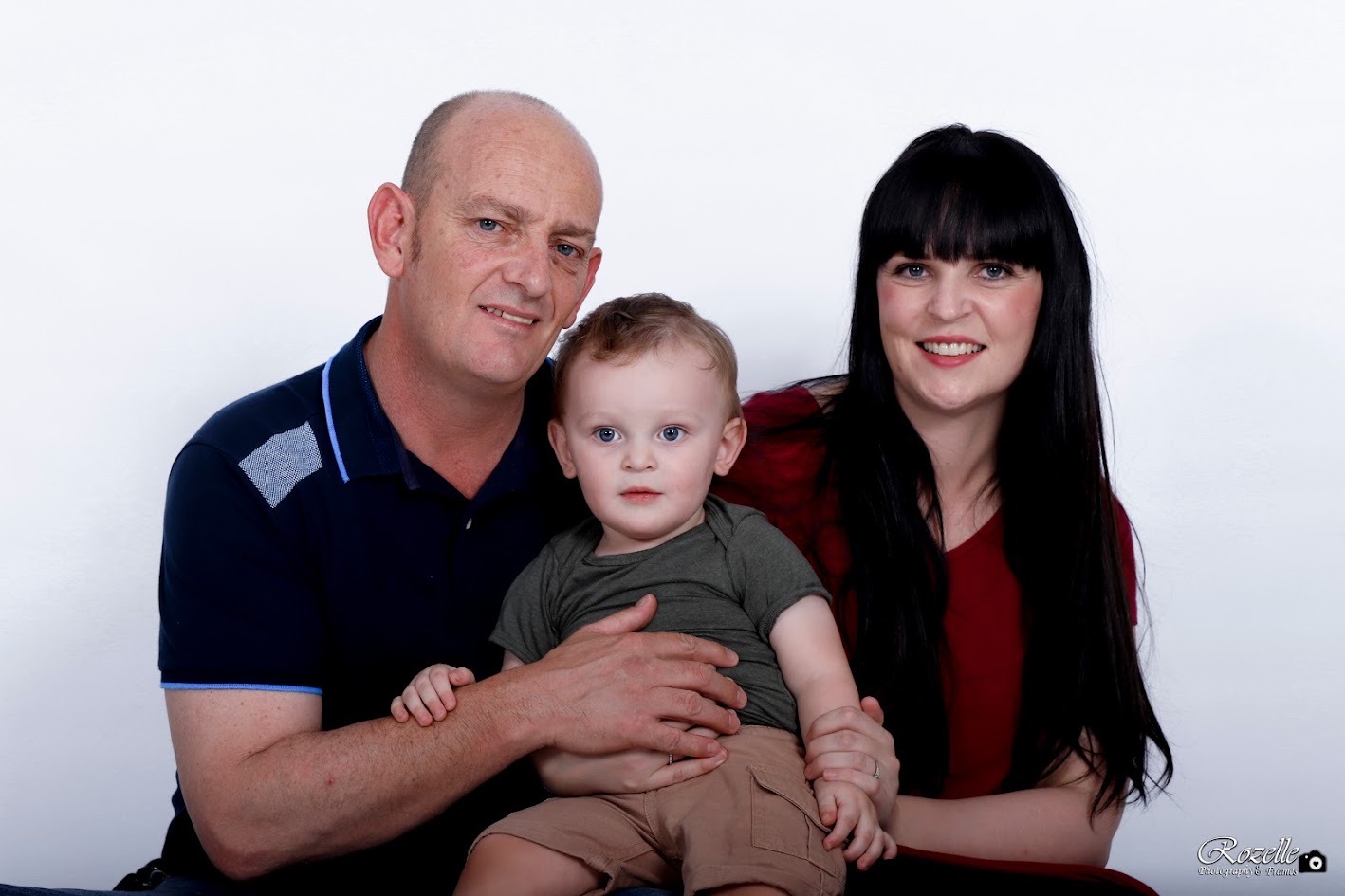
Gianni, Gianluca and Helena D'Offizi. Photo supplied
“We eventually did a lot of homework,” D’Offizi recalled. “It was about three or four months of intensive research, trying different foods and insulin approaches to stabilise our son, but it was not working. Eventually, we came across a low-carbohydrate diet, and immediately his blood sugar came under control.
“There were no more highs or dropping lows, and he was using less insulin. It also affected the whole family and our family life because, all of a sudden, we were all eating chicken and broccoli, including our twin girls and ourselves.”
Getting his son’s diet right and reducing his insulin use made daily management much easier. He added that the risk of hypoglycaemia, which involves an extreme drop in blood sugar levels, had been significantly reduced. They had not experienced such episodes in the past six years, which he attributed to their approach to diet and insulin management, D’Offizi said.
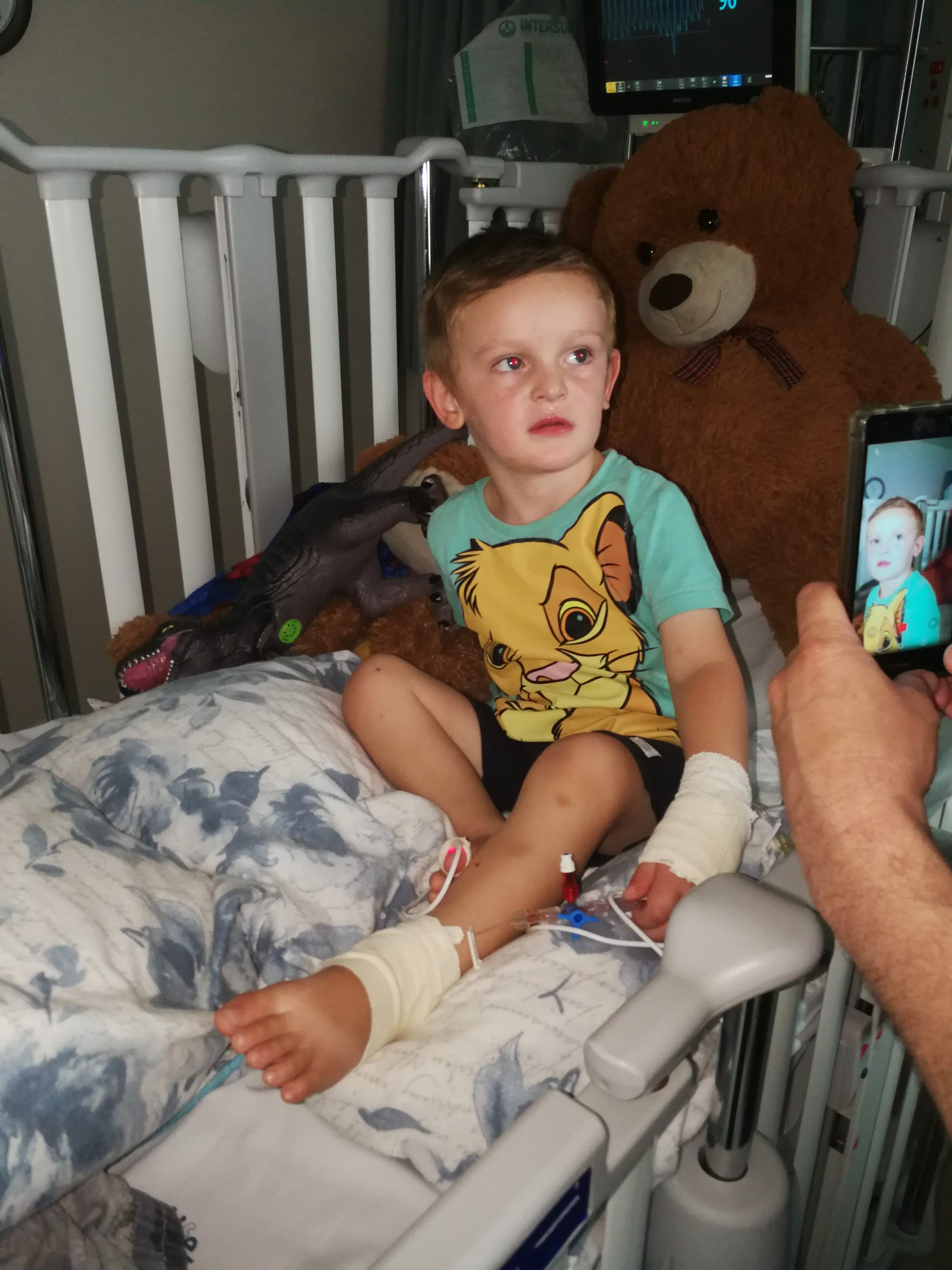
Gianluca shortly after he was diagnosed with type 1 diabetes. Photo supplied
“It is an extreme daily management process. We have to monitor what he eats, how much insulin he needs and his blood sugar levels.
“We use a continuous glucose monitor linked to a smartwatch and our phones, which allows us to monitor him in real time and advise him when to take glucose, drink water or administer insulin. Managing type 1 diabetes in a young child can require between six and eight insulin injections a day.”

D’Offizi emphasised the importance of education, access to resources and informed decisions when managing type 1 diabetes. The condition is an autoimmune condition rather than simply a disease, and families should know there is hope.
He encouraged parents to prioritise proper diabetes management, saying that when the condition is well controlled, children can still enjoy active lives. His son participates in five different sports, sleeps away from home and has experienced good growth, with no known diabetic ketoacidosis episodes or other health issues.
OFM News/Siyakholwa Mbatyazwa sm
• Have a news tip to share? Phone or whatsapp the OFM News Hotline on 066 487 1427.



