
Agriculture
Responsible hunting and trophy handling targets biosecurity─── ISABEL VAN TONDER 05:00 Tue, 02 Jun 2026

Hunters and trophy hunters are required to work closely with landowners, wildlife veterinarians and state veterinarians to stay updated on FMD.
Hunters and trophy hunters are required to work closely with landowners, wildlife veterinarians, and state veterinarians to stay updated on foot-and-mouth disease (FMD).
The Professional Hunters Association of South Africa (Phasa) supports responsible biosecurity measures to control the spread of FMD, in accordance with the Animal Diseases Act 35 of 1984 and existing quarantine guidelines.
For hunting within South Africa’s FMD quarantine areas, targeted biosecurity measures aim to prevent the spread of FMD through objects, vehicles, people, and trophies, in accordance with the procedures and legal requirements outlined in the Animal Diseases Act.
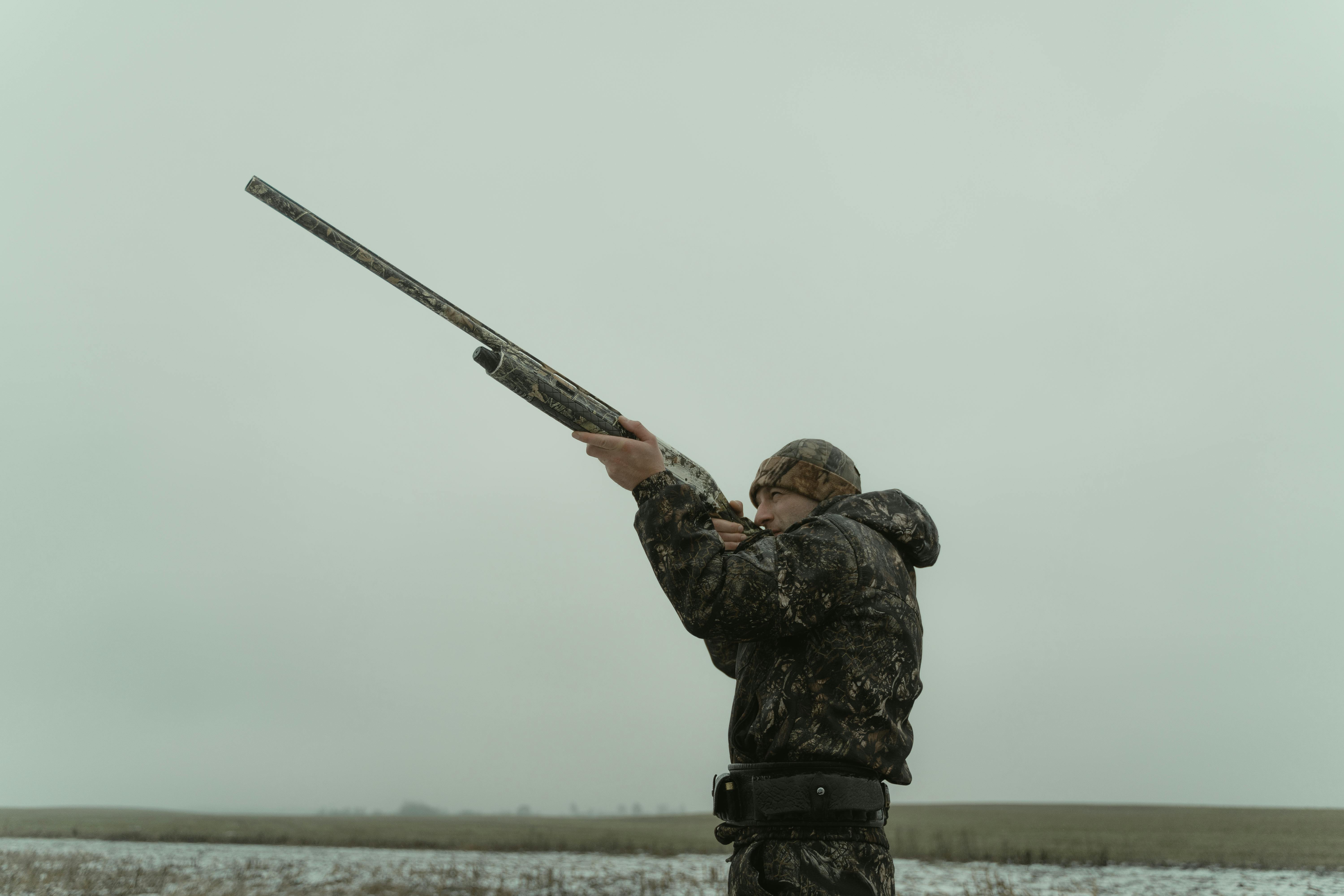
Inspect all hunted animals and trophies for signs of FMD. Photo: Pexel. com
FMD quarantine areas protocol includes:
• Trophies, bones, horns, and skins from game animals, moving out of or within quarantine areas, are permitted, provided that skins have been salted for 28 days or dried. Bones, horns, and teeth have been thoroughly cleaned and dried.
• Trophies, bones, skins, horns, and teeth from game animals must be covered in impervious plastic sheets during transportation. No restriction will be imposed on hides, skins, trophies, bones, and horns moving into or through the quarantine areas.
• When hunting and transporting trophies outside FMD quarantine areas, always sanitise vehicles/ equipment post-hunt, ensure the necessary possession of permissions to hunt and transport trophies, and sanitise gear upon return by spraying vehicles, load bins, wheels, and wheel arches.
• Slaughter animals on the property where possible to avoid movement risks, avoid moving and storing trophies on your farm from FMD-reported or suspected areas.

Phasa also recommends that skinners and trackers are sanitised before entering your or any other property, train staff on FMD recognition, wash the cape, skin, back skin, cleaned skull, and any other trophy parts in a salt solution with disinfectant, and refresh daily as required.
During the hunt, it is important that all personnel and hunters are trained on FMD signs (blisters, salivation, and lameness), and immediate reporting is of utmost importance.

Strict rules must be adhered to, considering post-hunting and gear handling. Photo: Pexel.com
Inspect all hunted trophies for the following signs: sores on the mouth and tongue, excessive saliva at the nose and mouth, blisters between hoofs, limping badly, and a decrease in animal condition and weight. If there are any visible signs of FMD, the animal must not be loaded on the vehicle, and the State Vet department must be contacted immediately.
According to Phasa, strict rules also must be adhered to, considering post-hunting and gear handling. Taxidermists have protocols and procedures to handle and treat trophies according to strict FMD protocols.
The movement of meat within a quarantine framework is subject to stringent regulations. Phasa is selecting a service provider for courses in game meat hygiene and inspection. Initiatives are designed to uphold product safety and maintain high-quality standards by Phasa.
• Share your agriculture news: agri@ofm.co.za.