
South Africa
Experts urge annual eye tests to prevent avoidable blindness─── ZENANDE MPAME 12:24 Wed, 23 Sep 2026

As more young people spend longer periods on screens and less time outdoors, eye health experts are warning about the long-term risks associated with myopia, or short-sightedness.
Myopia is a leading cause of preventable blindness in developing countries and is regarded by eye specialists as a growing public health concern. About half the world’s population, or roughly 5-billion people, could be affected by 2050, increasing the number of people at risk of related sight-threatening conditions.
Eye Care Awareness Month runs from Wednesday (23/9) to Sunday, 18 October this year. The campaign promotes eye health and annual eye tests while raising awareness that an estimated 75% of blindness is preventable or treatable if problems are detected and managed early enough.
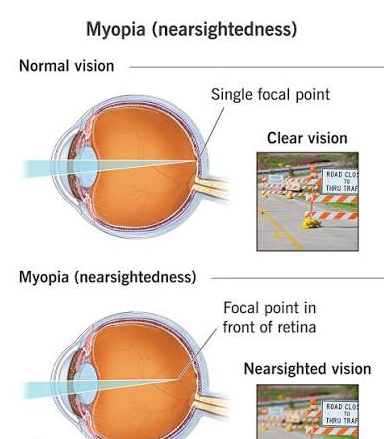
The difference between normal vision and myopia. Photo: pharmed.co.za
The campaign also encourages people to recognise warning signs linked to conditions such as cataracts, glaucoma and retinal problems. Comprehensive eye tests at least once a year can help detect problems early, while sudden vision loss, eye pain or changes in a person’s field of vision should not be ignored.
More children are becoming short-sighted, often at younger ages. Genetics play a role, but increased close work, more screen time, and less time outdoors are also important contributing factors, Ophthalmological Society of South Africa member Dr Viresh Dullabh said.
Severe short-sightedness can cause serious eye problems later in life because the eyeball becomes longer, stretching and thinning the retina. The risk of retinal problems can be more than ten times higher in severe myopia, making regular retinal examinations particularly important, Dullabh said.
“The three warning signs are sudden new floaters, flashes of light, or a dark curtain moving across your vision. Retinal detachment is a medical emergency. If you experience any of these symptoms, see an ophthalmologist immediately. Don’t wait for the next day. Early treatment can save your sight,” he said.

People with high myopia, a family history of retinal detachment, or a history of eye surgery or trauma should know the warning signs and seek urgent, same-day assessment if they experience them. This can be done at an eye casualty unit or ophthalmology practice, Dullabh said.
Retinal detachment can develop with little or no pain, making sudden changes in vision particularly important to recognise. Experts are urging people with myopia and other known risk factors to pay attention to changes in their sight and seek professional help immediately if warning signs appear.
OFM News sm
• Have a news tip to share? Phone or whatsapp the OFM News Hotline on 066 487 1427.