
Agriculture
Steenhuisen signs off on stricter FMD rules─── ISABEL VAN TONDER 05:00 Wed, 01 Jul 2026

Agriculture minister John Steenhuisen has approved a comprehensive new act to manage FMD while limiting the economic damage caused by the disease.
Section 9 of the South African Animal Diseases Act 35 of 1984 empowers the minister of agriculture to implement mandatory control measures – such as movement restrictions, vaccinations and quarantine.
The approval of the updated national control measures was recently announced and follows weeks of collaboration between the department of agriculture, the Ministerial Task Team and the FMD Industry Coordination Council (ICC), which began at the first Joint Working Group meeting on 6 May.
The measures will take effect once they are published in the Government Gazette and will replace the control measures previously issued under Section 9 of the Act. It places strict legal obligations on landowners to comply with regulations or face severe penalties.
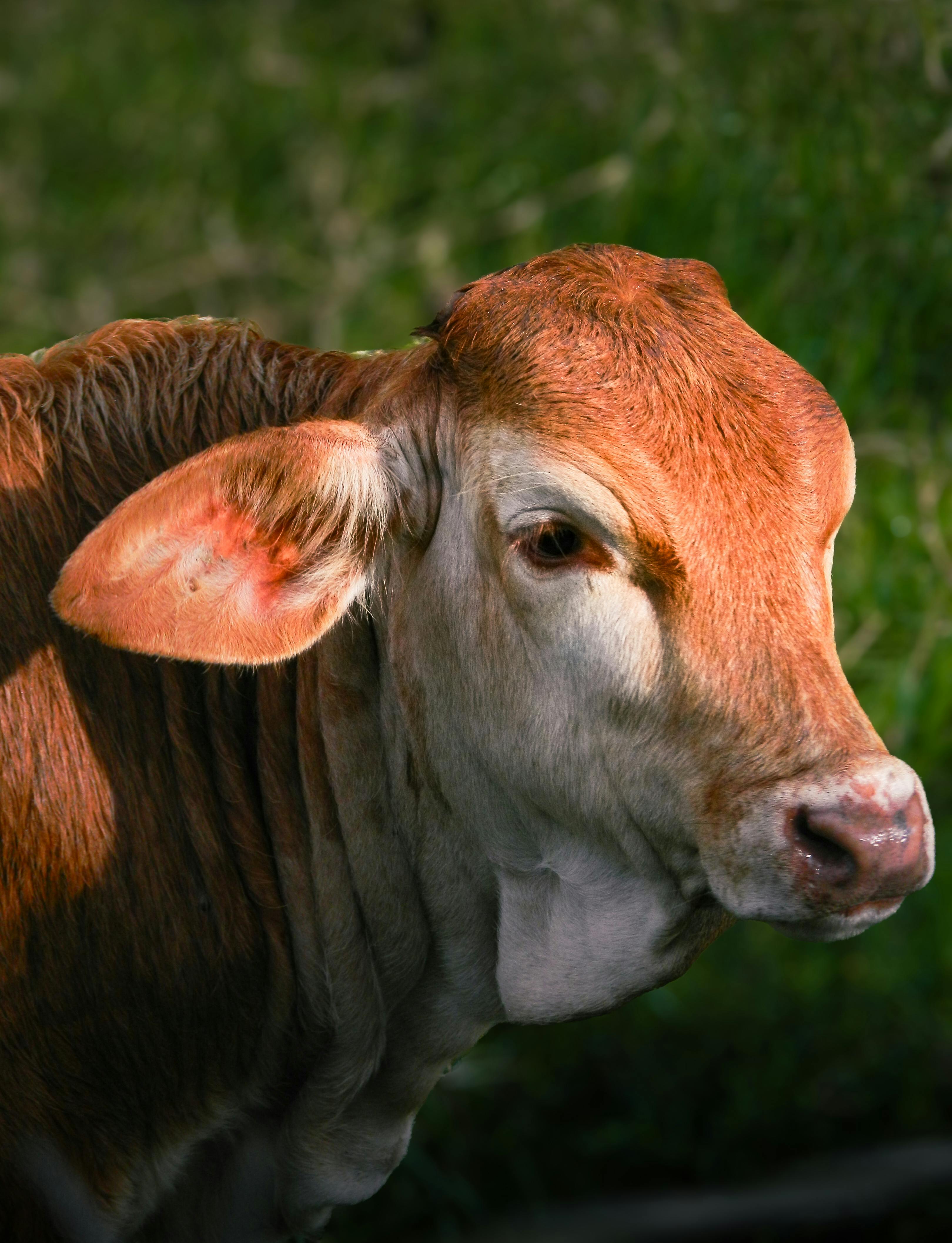
Section 9 empowers quarantine and movement control measures. Photo: Pexels
The updated measures set out the requirements for farmers, veterinarians and State Veterinary Services when FMD is suspected or confirmed, including reporting and quarantine, movement control, vaccination and traceability.
They will also provide risk-based options for operations to continue on affected premises where it is safe to do so. The livestock industry has been hit hard by the outbreak.

Measures that allow safe operations to continue on a sound scientific basis will offer the sector some relief and more clarity. The ICC is preparing a practical guide to the updated measures and will share it as soon as they were published.
The next Joint Working Group meeting will take place at the beginning of July. The ICC will give input on the FMD Management Manual, and the meeting will discuss the appointment of the Section 10 committee.
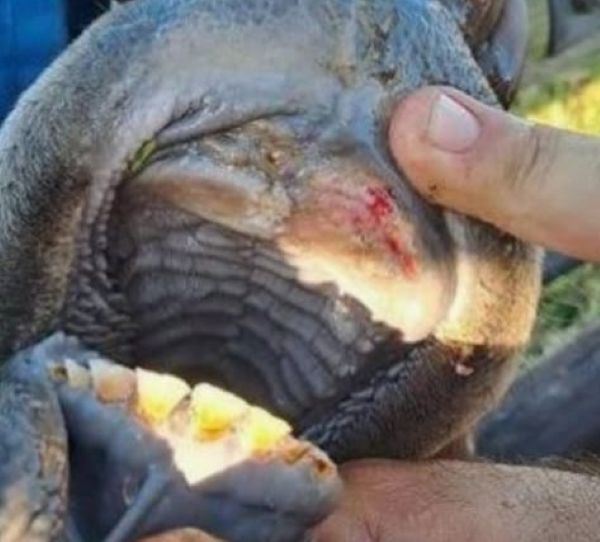
The livestock industry has been hit hard by the FMD outbreak. Photo: Agriculture Western Cape
The ICC will raise two further points at the meeting. The first is a request for input on a protocol for vaccine allocation and distribution under the current risk-based approach.
This would support a faster and more consistent rollout as the response works toward wider vaccination.
‘Vaccine can be ordered’
The second is a concept plan to move from managing outbreaks to bringing the disease under control. Under the scheme, vaccine can be ordered through authorised veterinarians, allocated according to the authorities’ guidelines, and traced from supply to the farm.
A single, verified record of vaccine movement also supports South Africa’s reporting to the World Organisation for Animal Health and the case for reopening trade and restoring market access.
• Share your agriculture news: agri@ofm.co.za.