
Central SA
NWU researcher uncovers three 90-million-year-old insect species─── ZENANDE MPAME 14:02 Mon, 19 Oct 2026

Three tiny insects that lived about 90-million years ago have assisted a North-West University researcher in uncovering new clues about life on Earth during the age of the dinosaurs.
Further research into the three insect species could help scientists better understand how plant-feeding insects have evolved and how their relationships with plants have changed over time. Dr Sandiso Mnguni said the findings could also contribute to improved crop protection and more effective pest management strategies.
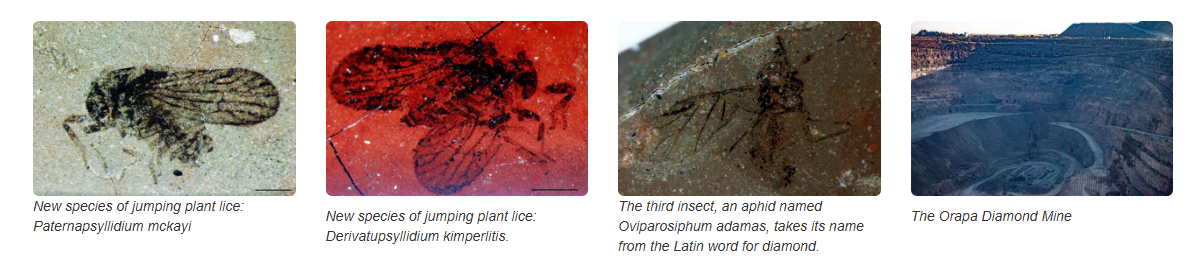
Mnguni began examining the collection in 2018 while studying towards his PhD. He had previously studied ancient beetles, but decided to explore other insect groups. One of the discoveries (the first jumping plant lice) has special meaning for him. He named it Paternapsyllidium mckayi in honour of his late PhD supervisor, Dr Ian McKay, who trained him in the study of ancient insects.
The second jumping plant lice, Derivatupsyllidium kimperlitis, takes its name from kimberlite, a type of rock linked to diamond deposits. The name reflects the fossils’ origin at Botswana’s Orapa Diamond Mine.
The third insect, an aphid named Oviparosiphum adamas, takes its name from the Latin word for diamond. The name reflects the diamond mining operation where the fossils were discovered.
“I'm the only paleoentomologist in South Africa. I learned that no one else is doing this in South Africa, so I wanted to be that person that everyone contacts if they want anything to do with fossil insects from Africa,” said Mnguni.
“When we understand how these insects have evolved, we can refine existing control measures and develop better integrated pest management practices. What is particularly interesting about the aphid is that it is actually the first complete fossil aphid from Africa. That is really remarkable and groundbreaking research.

“These discoveries have implications for crop protection and integrated pest management because understanding the characteristics of these insects helps us investigate how they have changed over time.”
Mnguni plans to continue studying the fossils to understand how these insects are related to other species. His work will help scientists build a clearer picture of ancient life and how insects have changed over millions of years. The work will also help crop farmers to understand how the insect pests have evolved over the years.
OFM News sm
• Have a news tip to share? Phone or whatsapp the OFM News Hotline on 066 487 1427.



