
International
Sardine deaths stretch 2,600km due to possible pilchard herpesvirus─── KEKELETSO MOSEBETSI 11:00 Sun, 13 Sep 2026

South Africa is experiencing an unusual sardine mortality event that has been reported across a vast stretch of coastline, from the Western Cape through the southern and eastern coasts, into the northern Wild Coast and along the Namibian coast.
The department of forestry, fisheries and the environment says the pilchard herpesvirus (PHV) has been confirmed in sardines associated with the mortality event, including fish collected in Gqeberha.
The department cautions the detection of the virus does not yet prove it is responsible for all the deaths, with scientists continuing to investigate the possible contribution of environmental factors.
Spokesperson Zolile Nqayi said the department and its scientific partners were monitoring new reports, conducting diagnostic testing and assessing the distribution, scale and progression of the event.
The first reports of unusual sardine deaths emerged on 28 July with subsequent sightings recorded at several locations along the South African and Namibian coasts.
Namibia to Wild Coast
The reported geographic span covers approximately 2,600km between Henties Bay in Namibia and the northern Wild Coast. The department stressed this represents the extent of reported sightings and is not an estimate of the number of fish affected.
PHV has been detected at high levels in initial dead sardines tested, while lower and more variable levels were found in apparently healthy fish. Scientists say this strengthens the association between PHV and the mortality, but also indicates the presence of the virus alone may not necessarily be enough to cause mass deaths.
The department is therefore combining PCR and sequencing results with pathology, viral levels, the progression and distribution of the mortality and other potential contributing factors.
Causes
Nqayi said other possible causes under investigation include harmful algal blooms and associated toxins, low dissolved oxygen, unusually cold water and strong upwelling, changes in water quality, other infectious agents and environmental stress.
Tests conducted on sardines from Saldanha Bay, the Cape Canyon and Gansbaai found none of the paralytic shellfish toxins associated with the harmful algal bloom in Saldanha Bay. Domoic acid and yessotoxin were detected only at low levels.
The DFFE says there is currently no evidence pollution caused the mortality event, while fishing has also not been identified as the cause.
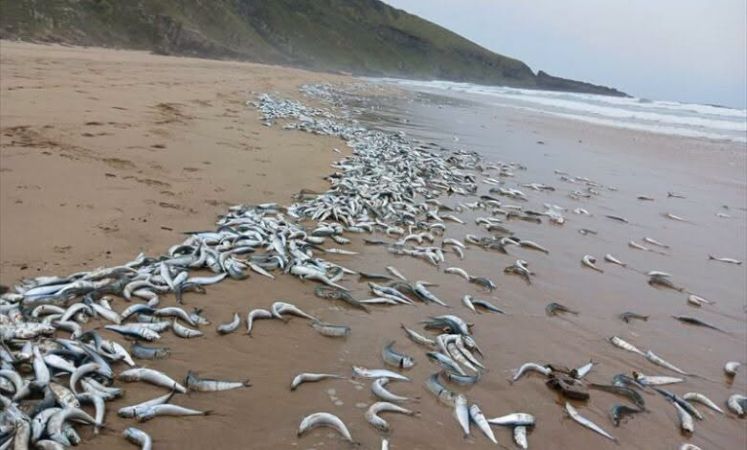
The detection of the virus does not yet prove it is responsible for all the deaths. Photo: Facebook
The first confirmed detection of PHV in South African sardines has raised questions about how the virus entered the country. Previous surveillance in 2016 did not detect PHV.
The source and route of introduction remain unknown, with possible pathways including the movement of infected fish or biological material, imported sardines or bait, and other biosecurity pathways.
The department is testing imported sardine samples supplied by industry as part of its investigation, but says there is currently no evidence that imported frozen sardines, ballast water or any particular shipping route introduced PHV into South African waters.
Originated
A 99.7% match between the detected virus and an Australian PHV sequence confirms the genetic material is closely related to the Australian virus used for comparison. However, the DFFE says this does not establish where the virus originated or how it entered South African waters.
By 28 August, approximately 160 samples had been submitted for PCR testing, with 128 processed and DNA sequence confirmation obtained from samples from three additional localities. Testing and confirmatory work are continuing.
The full scale of the mortality remains uncertain because most reports are based on opportunistic observations rather than systematic counts. Some fish may have sunk, remained offshore or gone undetected.
‘Doesn't mean the sardine fishery will be closed’
The DFFE says preliminary investigations do not indicate the mortality represents a large proportion of the overall sardine stock, although the event may not yet have run its course.
A key assessment will come from the October/November hydroacoustic survey, which is expected to provide the first reliable fisheries-independent post-event estimate of sardine biomass and distribution.
The department has also stressed that the discovery of PHV does not automatically mean that the sardine fishery will be closed or that the Total Allowable Catch will be reduced.
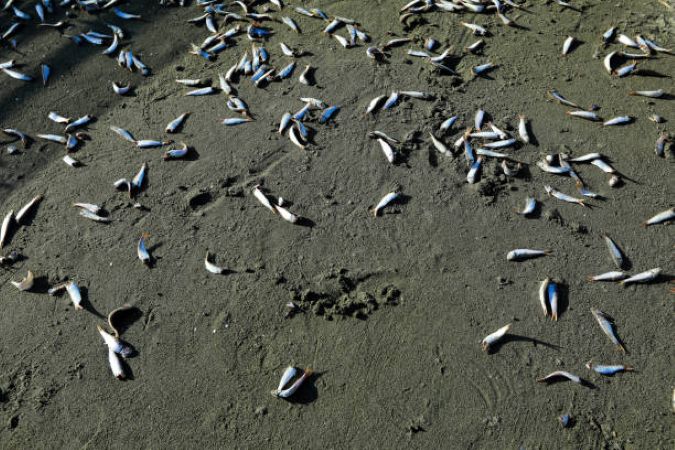
PHV is not known to infect people. Photo: Pexels
Potential management measures, depending on the scientific evidence, could include intensified monitoring, increased sampling, temporary catch controls, changes to catch limits or fishing-season duration and spatial measures.
The mortality could have wider ecological implications because sardines are an important food source for seabirds and marine mammals, including African penguins.
Despite concerns surrounding dead fish washing ashore, the DFFE says PHV is not known to infect people. Commercially produced canned sardines processed under approved conditions remain safe to consume.

The public are urged not to collect, eat or feed dead or dying sardines to pets because decomposing fish may contain harmful microorganisms.
The DFFE says it will continue working with scientific institutions, provincial authorities, municipalities, the fishing industry and Namibian counterparts as it investigates the mortality event and its potential implications for South Africa’s sardine population and wider marine ecosystem.
OFM News dg
• Have a news tip to share? Phone or whatsapp the OFM News Hotline: 066 487 1427.