
Agriculture
RMIS advancing its mission─── ISABEL VAN TONDER 05:00 Fri, 09 Jan 2026

Stock theft remains a significant threat to producers and rural livelihoods, undermining economic stability.
According to Red Meat Industry Services’ (RMIS) latest annual report stock theft prevention forums, meetings and information days were held across the country during the period under review. Meanwhile, disease control equipped producers and veterinarians with actionable insights that supported disease management and improved overall herd health.
RMIS is the only organisation with a national mandate to implement the Red Meat Industry Strategy 2030, focusing on delivering practical, data-driven solutions. Its a non-profit company with a mandate to serve the entire red meat value chain in South Africa.
RMIS was established in 2022 by the red meat and livestock primary cluster to serve as the statutory levy administrator for South Africa’s red meat industry.
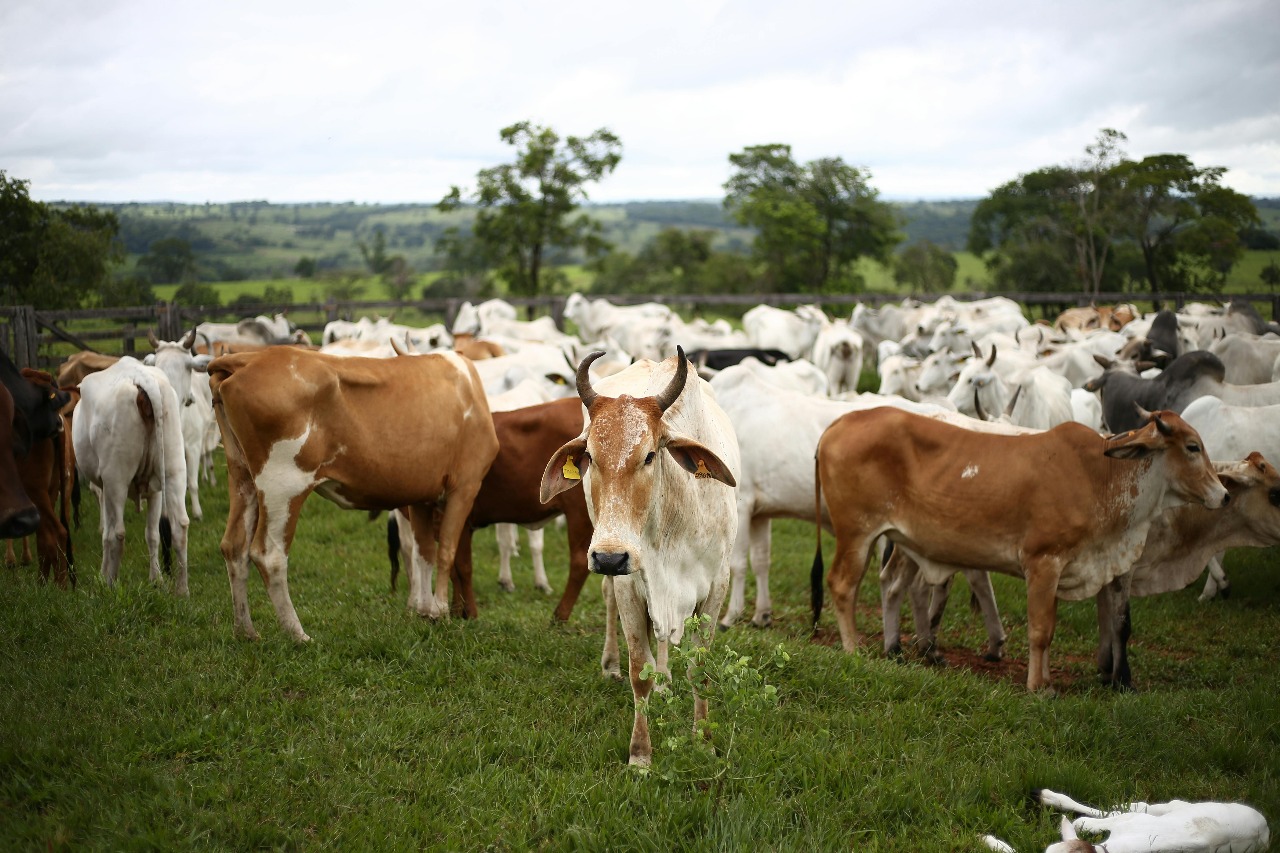
RMIS implemented several interventions to strengthen FMD control. Photo: Pexel
The Red Meat Industry Strategy 2030 is the sector’s collective plan to grow South Africa’s red meat industry, consisting of three phases: The first will set a common goal for the industry), the second entails a revision of the red meat forum structure and empowering the strategy of the industry, and the third will see the active implementation plan of interventions and programmes.
Strategic focus areas of RMIS consists of animal and public health, inclusive growth, market access, competiveness and sustainability.
Statutory funding in the red meat industry refers to a legally mandated levy collected at abbatoirs for all animals slaughtered as well as live animal exports. The levy is not a tax but an industry investment.
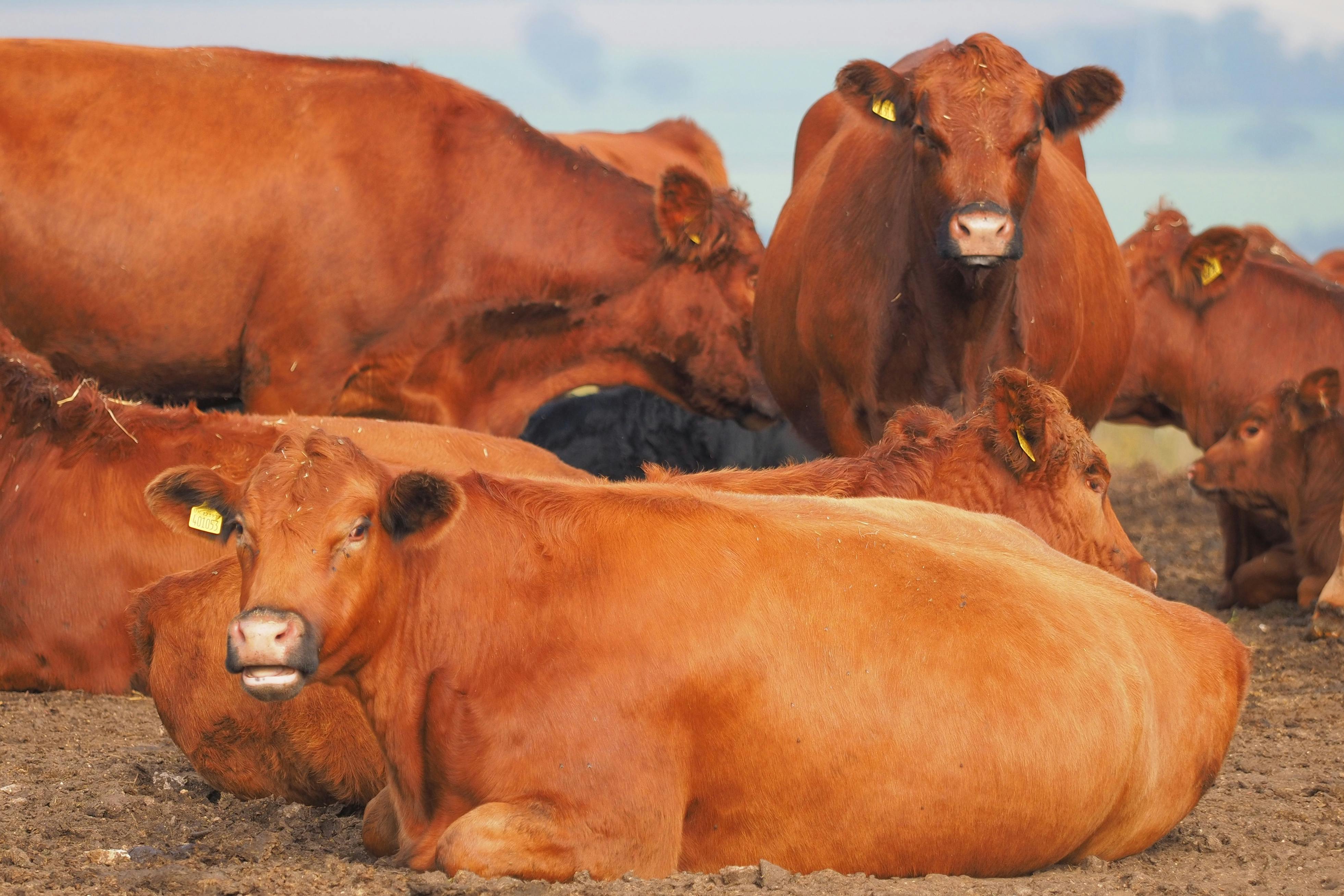
Stock theft remains a significat threat to producers Photo: Pexel
By the end of October, RMIS successfully integrated eight livestock management record-keeping systems into the traceability platform. These integrations ensure seamless data exchange.
The inclusive growth initiative is designed to empower small-scale and communal farmers through practical support and knowledge sharing. Through skill development programmes 1,775 farmers were trained, and amongst other platforms, 28 training courses were presented.
Training targeted at transformation at abattoir level was also presented.
Mobile cattle handling
RMIS rolled out three mobile cattle handling units where 6,368 livestock were processed 1,082 farmers assisted and 17 communities assisted with the mobile unit. The voluntary livestock farmer and community register focused on 163 communities, 24,000 emerging farmers and 190,041 livestock that were linked to communities.
The RMIS operational centre was established in response to the escalating foot-and-mouth disease (FMD) to provide rapid, coordinated support. RMIS implemented several critical interventions to strengthen FMD control which includes the purchase of 644 000 FMD vaccine doses from the Botswana Vaccine Institute.
RMIS extended gratitude to every stakeholder, service provider, the department of agriculture and department of land reform and rural development, and stated: “Together, we are shaping progress that benefits all.”
• Share your agriculture news: agri@ofm.co.za.