
Agriculture
Early start sets tone for promising apple and pear season─── ISABEL VAN TONDER 12:00 Tue, 10 Feb 2026

The first apples and pears are coming off the trees earlier than expected, heralding a season shaped by both opportunity and uncertainty.
While early indications point to quality fruit, factors such as potential hail damage, exchange-rate volatility, and other variable conditions will continue to influence outcomes.
“It’s with concern that we take note of the hail damage reported in the Langkloof and the Koue Bokkeveld. However, the full extent of the impact on the apple and pear crop is still being assessed,” said Tru-Cape managing director Roelf Pienaar.
“While the crop is progressing well and quality indicators are encouraging, there are still several variables that will influence the market performance and global demand.”
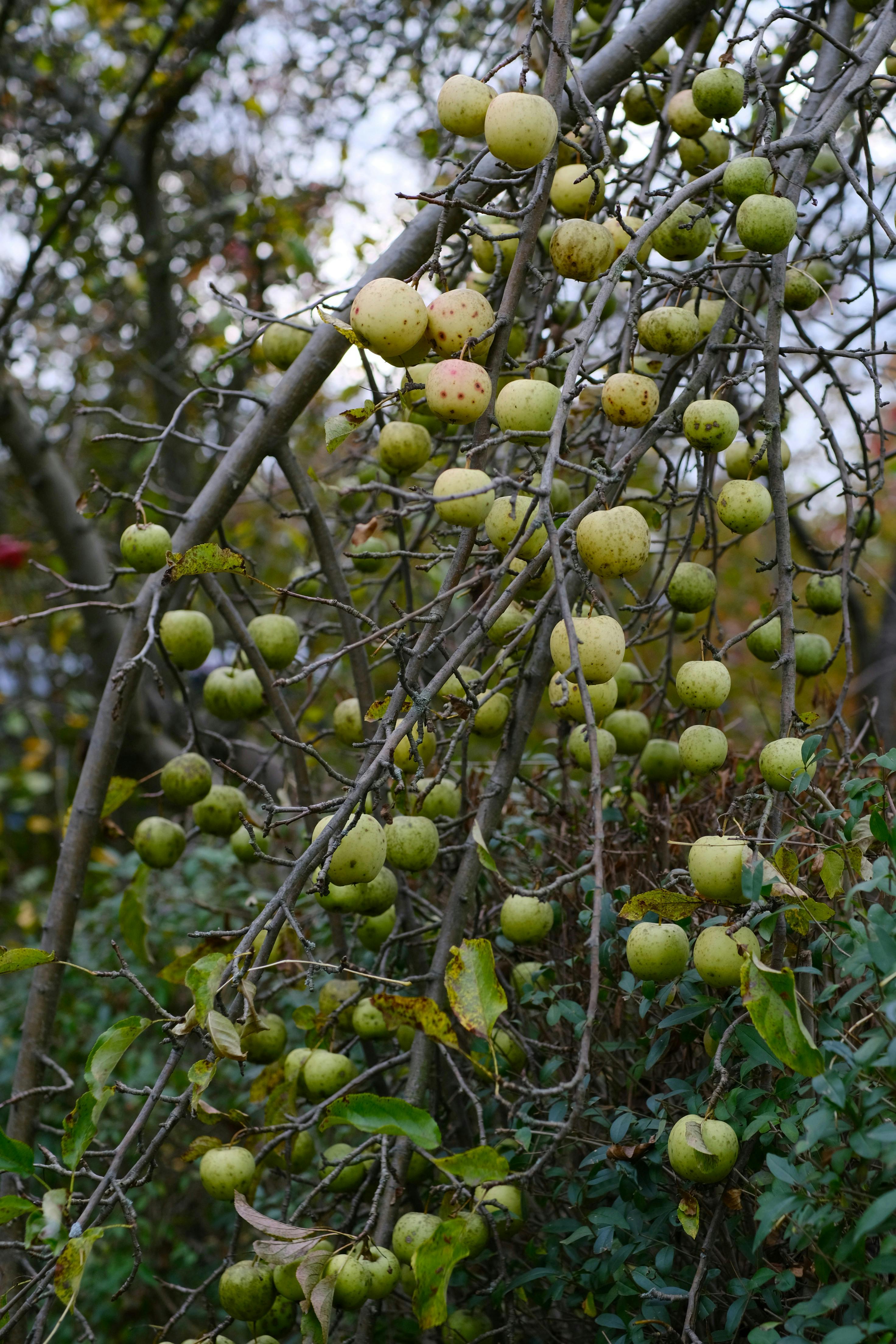
A good crop is expected with clean fruit, free from pests and disease. Photo: Pexel
Depending on the variety, the season is on average seven to ten days earlier than usual, said Tru-Cape fruit marketing procurement director Calla du Toit.
Two-a-day technical advisor Grame Krige said in the Elgin, Grabouw, Villiersdorp, and Vyeboom (EGVV) region, summer pears are about ten to 12 days earlier than usual, while apples are approximately seven to ten days ahead of the normal pattern.
Good volume crop
“We expect a good volume crop in the EGVV, with clean fruit that is relatively free of pests and disease. Later varieties are expected to catch up as the season progresses, with ripening likely to return to a more normal pattern.”
While water availability is not a major concern in the Ceres and EGVV regions at the moment, producers will need to manage usage responsibly. In the Langkloof, farmers were under immense pressure this season.
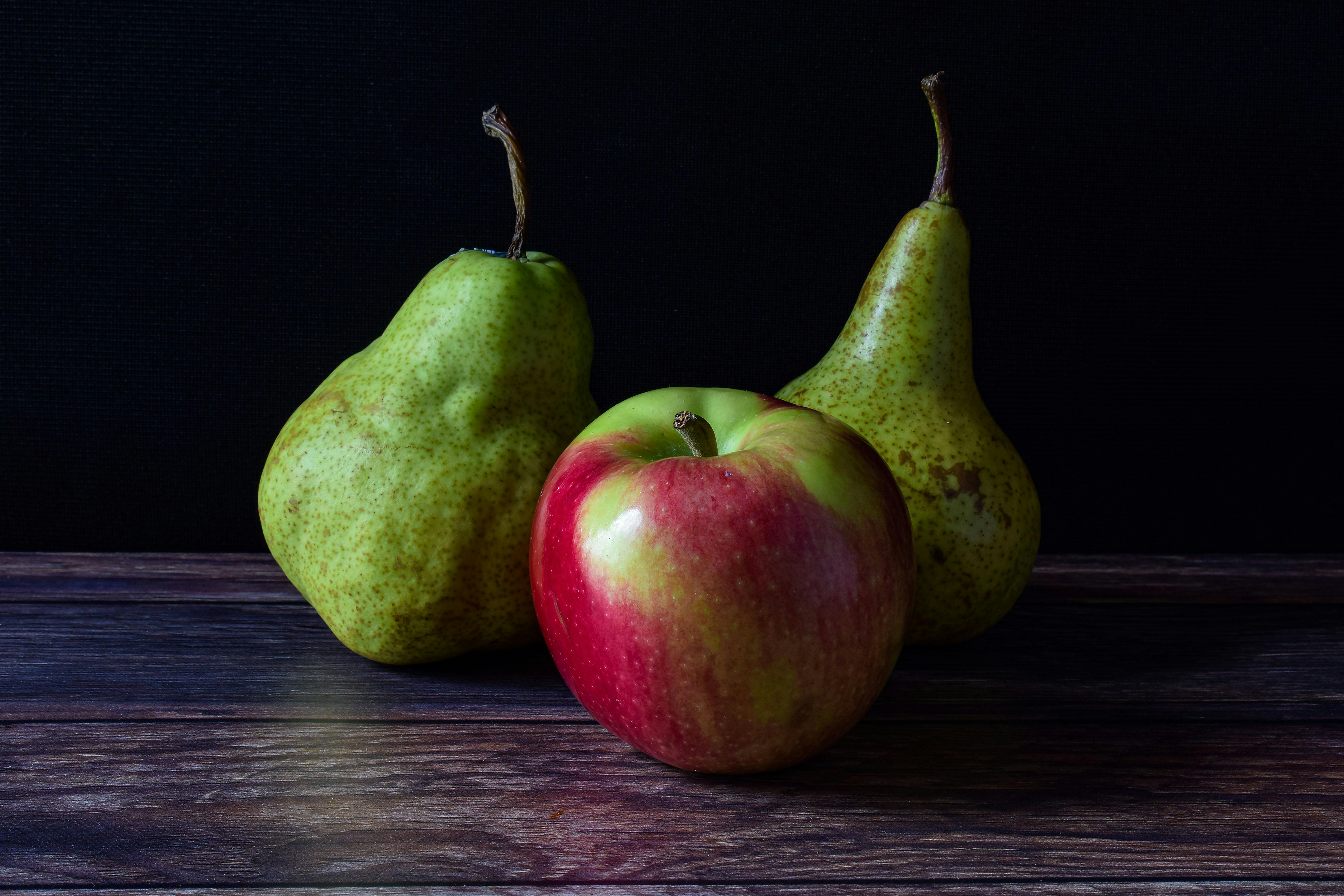
Demand and export for apples and pear looks good in the new season. Photo: Pexel
“The region typically relies on summer rainfall, which did not materialize this year. As a result, producers are seeing smaller-than-normal fruit sizes and were forced to prioritise which orchards to irrigate, or to irrigate smaller areas,” said Du Toit.
“We cannot complain about demand for apples and pears. A significant portion of our Rosemarie pears is destined for the Middle East, where there are currently good opportunities.
Far East
“We are also seeing promising prospects in India, Russia, and China. New Zealand’s Royal Gala is expected to arrive later than usual, which creates opportunities for us in the Far East.”
Du Toit identified logistics, geopolitics, and a stronger rand as the main challenges for the season. “There have been several upgrades at both the Two-a-Day and Ceres Fruit Growers pack houses, which better position us to fully utilise the opportunities we believe lie ahead.”
• Share your agriculture news: agri@ofm.co.za.