
Agriculture
Permit conditions confirmed for translocation of antelope in Northern Cape─── ISABEL VAN TONDER 05:00 Fri, 12 Jun 2026

Holders of permits issued for the translocation of game outside of the standard capture and transport season must ensure they adhere to a clear animal welfare plan.
Permits to translocate antelope are issued under the authority of the Northern Cape Nature Conservation Act, 2009. It is valid strictly for the movement of the specific antelope species and numbers described in the permit and veterinary documentation.
This permit is only valid as specified in the accompanying state veterinary movement permit and is not transferable.
All necessary documentation must accompany the animals during transportation and be produced on demand to any authorised official from the police, department of nature conservation, state veterinarian, and animal health technicians.

Permit holders must demonstrate and adhere to a clear animal welfare plan. Photo: Facebook
Permits are issued for translocation outside of the standard capture and transport season where animals must be translocated under 25 degrees Celsius. The permit holder takes all responsibility for the welfare of the animals, including risks associated with extreme temperatures, stress, and altered physiological states.
Animals must be transported when the ambient temperature is below 25 degrees Celsius to minimise heat stress.
Permit holders must demonstrate and adhere to a clear animal welfare plan, including measures to mitigate heat stress and ensure minimal capture-related injuries.
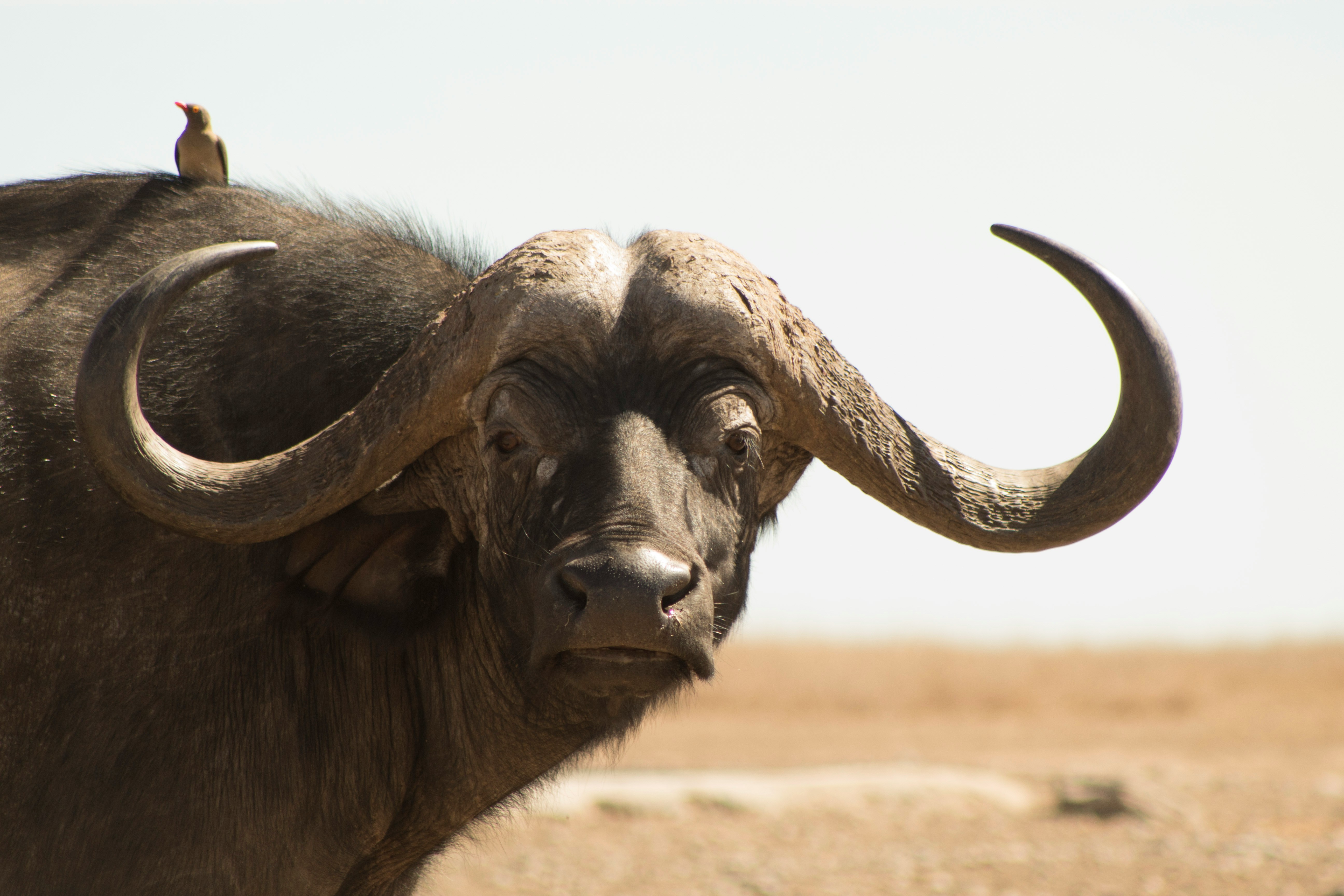
Animals must be transported when the ambient temperature is below 25 degrees Celsius to minimise heat stress. Photo: Goi’s Studio
Requirements for biosecurity protocols in the Northern Cape during foot-and-mouth disease are subject to control measures as prescribed in the Animal Diseases Act. The permit holder must also comply with the national FMD Veterinary Procedural Notice of 2014 and any specific and applicable provincial movement control protocols.
The capture and loading procedures must be conducted under the supervision of the responsible private veterinarian (at own cost), with strict biosecurity protocols such as footbaths, vehicle disinfection, clean/dirty workflow, and the use of approved disinfectants.
The provincial department of agriculture, environmental affairs, rural development and land reform says the animals must be transported directly from the point of origin via the shortest possible route. Upon arrival at the destination, they must be placed in a boma.

Animals must be isolated for a minimum period of 28 days from the date of arrival.
Any mortality of the translocated animals during capture, transport, or the 28-day isolation period must be reported immediately to the issuing authority and the responsible state veterinarian.
Animals without proper authorisation may be refused entry into the Northern Cape, placed under quarantine, or returned to the origin at the owner’s cost.
Legal action may also be instituted, which could include penalties as prescribed in the Northern Cape Nature Conservation Act, Act 9 of 2009.
OFM Agri/Isabel van Tonder cvs
• Share your agriculture news: agri@ofm.co.za.