
Agriculture
Agricultural organisations call for trade across Brics markets─── ISABEL VAN TONDER 05:00 Thu, 17 Sep 2026

AgriSA and Agbiz participated in the Agribusiness Working Group meetings that took place alongside the Brics summit in New Delhi, India.
The working group considered a range of priorities and recommendations for Brics leaders. These include bridging agricultural practices, sharing knowledge on scientific advances and seed development, and deepening agricultural trade as a means of strengthening food security.
“The Brics countries import over $300bn of agricultural products annually,” said chairperson of the Brics Business Council Agribusiness Working Group Wandile Sihlobo. “China and India account for the lion’s share of these imports. The Middle East has a sizeable share of agricultural imports from the world market.”
Key agricultural products imported by the Brics grouping include various grains and oilseeds, fruits, wine, beef, pork and poultry products.

Brics countries currently enjoy more favourable trading terms. Photo: Britannica
“From a South African agribusiness perspective, there is a strong case for Brics countries to deepen agricultural trade on fair and commercially meaningful terms, particularly in the current environment of intensifying geopolitical tensions, conflict and rising import tariffs.”
Some Brics countries currently enjoy more favourable trading terms with markets outside the grouping than with fellow members, contributing to relatively limited intra-Brics agricultural trade.
“Addressing this misalignment has become increasingly important as the grouping expands. South African agribusinesses and farming communities are therefore calling for practical action to explore opportunities to reduce import tariffs and address non-tariff barriers among Brics members.”
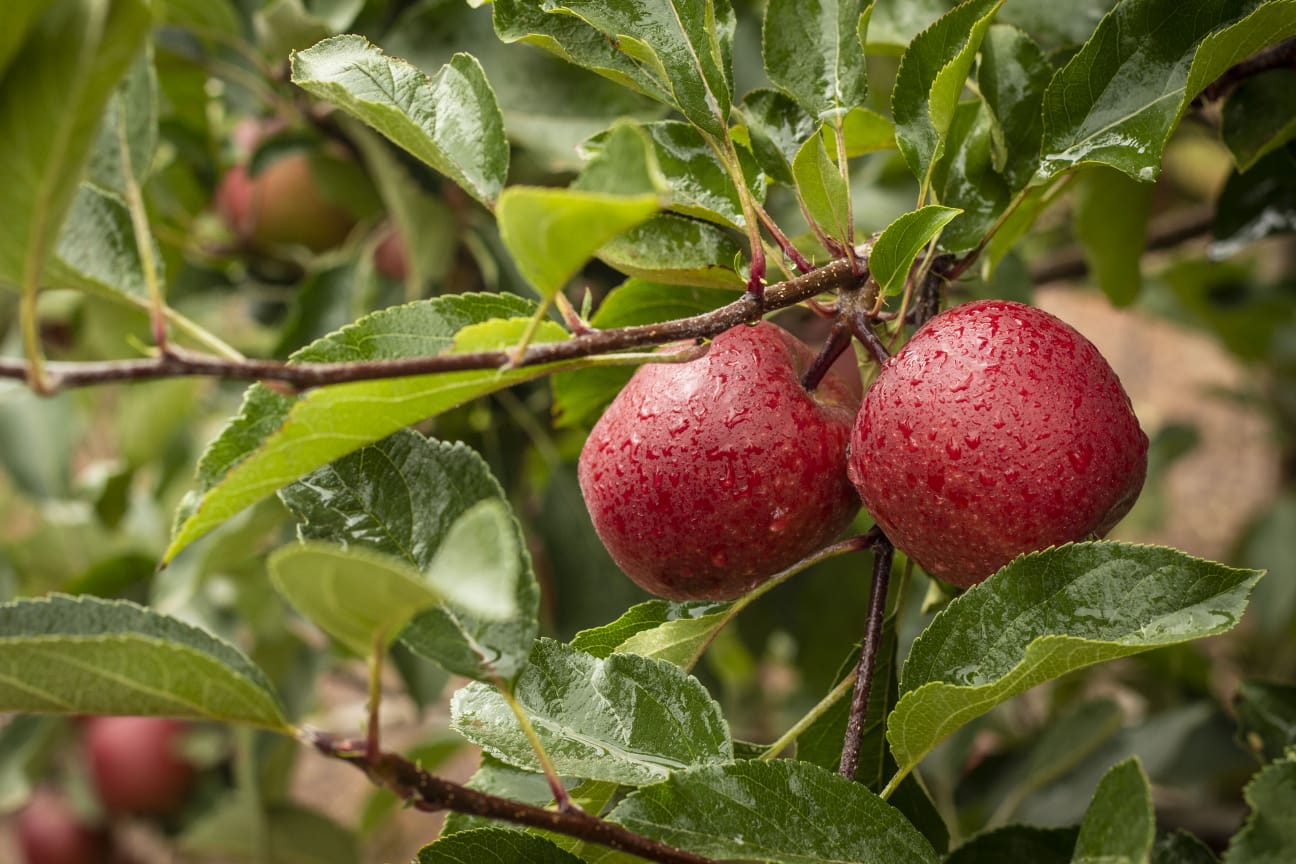
The priority is to create practical conditions that enable farmers to trade more effectively. Photo: Tru-Cape
AgriSA and Agbiz remain committed to deepening agricultural trade, expanding market opportunities and strengthening meaningful commercial relationships across Brics markets.
“From a business perspective, the priority is to create the practical conditions that enable farmers and agribusinesses to trade more effectively through improved market access, fewer unnecessary trade barriers, greater regulatory predictability, and more efficient trade facilitation.
“In an increasingly complex global trading environment, stronger agricultural trade relationships can contribute to more resilient value chains, diversified markets, and greater food security across member economies.”
OFM Agri sm
• Deel jou landbounuus: agri@ofm.co.za.