
Health
Understanding the critical role of cancer staging─── 09:00 Thu, 26 Feb 2026

The staging of cancer plays a vital role in treatment and outcome. Early stages of diagnosis often have positive outcomes, whereas late-stage diagnosis is often associated with poor outcomes and high mortality.
When it comes to fighting cancer, time is the most valuable resource. Understanding how cancer is staged isn’t just medical jargon; it is the roadmap that determines a patient’s survival and treatment success.
Clinical nursing specialist at the Cancer Association of South Africa (Cansa), Vlooi Venter, joins Yolanda Maartens in the OFM Family Focus to explain the importance of early detection and to explain the different stages of cancer.
Staging of cancer
It is the process of determining how much cancer is in the body and where it is located. While healthy cells grow and die in a controlled pattern, cancer cells ignore these rules, growing uncontrollably to form a primary disease (the original tumour).
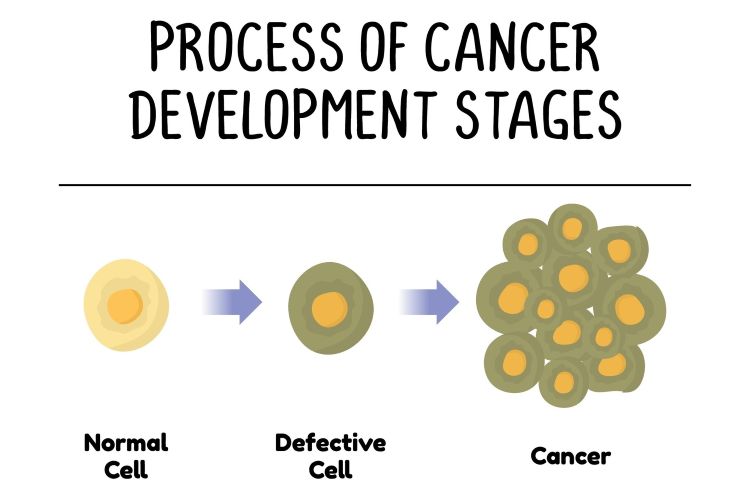
Image: Shutterstock
Methods
TNM System: This looks at the tumour size, whether it has spread to the regional lymph nodes, and if distant metastasis (spread to other organs) has occurred.
Numerical scale (stages 1-4): This simpler method groups cancers by severity. Stages 1 and 2 are considered “early phase,” meaning the cancer is localised. Stages 3 and 4 indicate the cancer has invaded surrounding tissues or traveled through the blood and lymphatic system to form secondary lesions (metastatic disease) in distant parts of the body.
Implications
Staging is the most vital factor in determining a patient’s prognosis, which is the medical forecast of the likely outcome. As Venter said during the interview, the stage of diagnosis directly dictates the complexity of the medical response.
Localised vs. systemic: In early stages, treatment can be local, targeting a specific, well-defined area.
Complexity of care: Once a cancer reaches stage 3 or 4, it is no longer a “one-spot” problem. Because these cells outlive normal cells and migrate to different parts of the body (such as breast cancer spreading to the lungs), the treatment must become “systemic” to chase these cells throughout the body.
Principles
The goal of treatment shifts significantly as the disease progresses.
Stages 1 and 2 (early detection): The primary goal here is often curative. Because the cancer is contained, it often responds exceptionally well to treatment. Options like surgery to remove the tumour or localised radiation are highly effective.
Stages 3 and 4 (advanced phase): At these stages, treatment becomes more complex. Since the cancer has invaded surrounding tissue or distant organs, doctors must use more aggressive combinations of chemotherapy, radiation, or targeted therapies. The focus often shifts from a simple removal to managing the spread and trying to achieve remission.
Early detection saves lives
The core of the Cansa awareness initiative is the stark contrast in outcomes between early and late diagnosis. Early-stage diagnoses are frequently associated with positive outcomes, while late-stage diagnoses often face challenges of high mortality and limited treatment success.
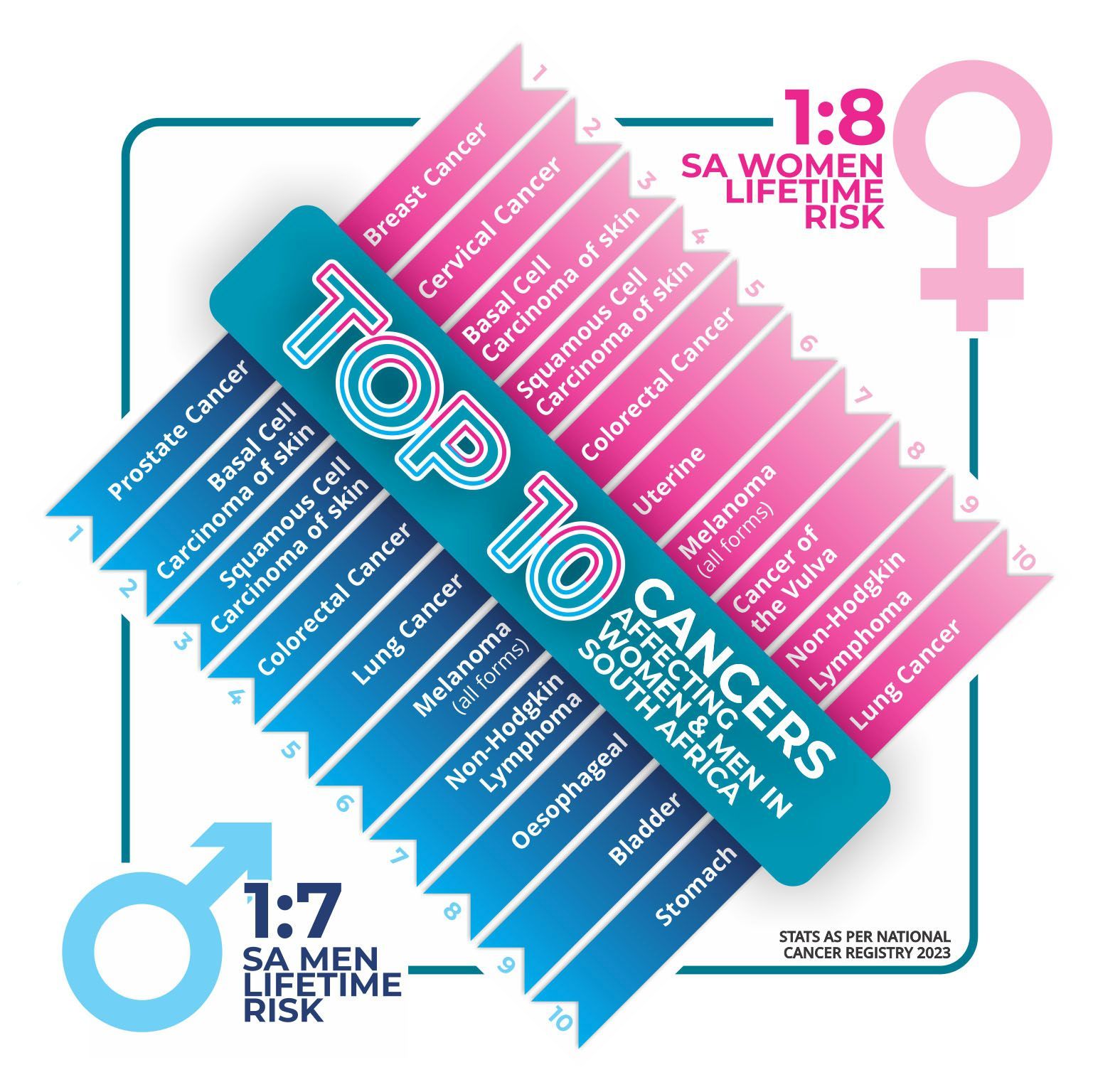
Cancers affecting men and women, respectively, in South Africa. Image supplied
By understanding the “TNM” of your health and seeking screening early, you give medical professionals the best chance to intervene while the disease is still in its most manageable form.
For more information on staging and support, visit Cansa or send an email.
• This information is intended for general informational purposes only and does not constitute professional medical advice. Always consult with a qualified healthcare professional for any questions you may have regarding a medical condition or treatment.