
Agriculture
China deal encouraging for fruit industry─── ISABEL VAN TONDER 05:00 Mon, 23 Feb 2026

Tru-Cape welcomed the strengthening of trade and expanding opportunities for South African exports.
Tru-Cape views the move toward zero-tariff access as a strong signal of the government’s commitment to supporting the long-term growth and sustainability of the fruit industry.
The Chinese market opened to South African apples in 2015 and to pears in late 2021. Although initial export volumes were modest, shipments have grown exponentially as relationships have developed. Between 2024 and 2025, Tru-Cape’s volumes to China increased by 35%.
While China still represents a relatively small share of our total apple and pear exports, it is extremely encouraging to see this consistent upward trajectory as we gain a better understanding of the Chinese retail environment, supply chain requirements, cold chain management, and client expectations.
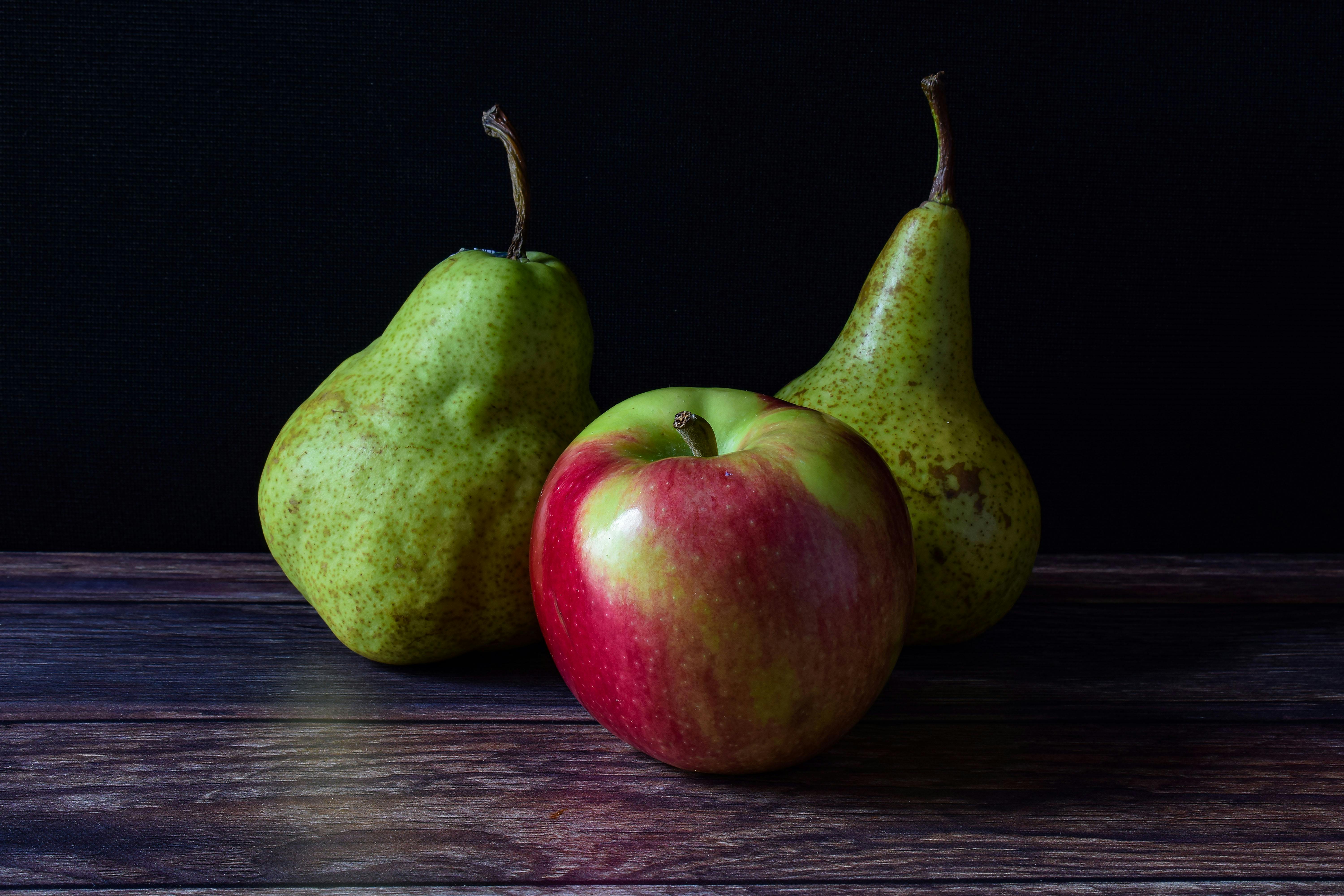
South African apple and pear exports will soon be zero-tariff. Photo: Pexel
“This positions us well for further expansion, particularly in the event of more favourable market access conditions,” said Roelf Pienaar, managing director of Tru-Cape.
South African apple and pear exports to China are currently subject to a 10% import tariff. Under the new comprehensive economic partnership (CAEPA), this will progressively be reduced to zero, with full duty-free treatment scheduled for implementation on 1 May.
“The fact that South Africa is subjected to significantly higher tariffs than our biggest Southern Hemisphere competitors makes a material difference to our global competitiveness.”
Sales price
Tariffs directly affect the final sales price of our products. We must both manage prices and costs extremely carefully to remain competitive in leading export markets, and in many cases, this pressure stems purely from duties – not from any value addition.
“High tariffs can even influence planting decisions, with producers potentially favouring varieties destined for lower-tariff markets instead of those in the highest global demand.”
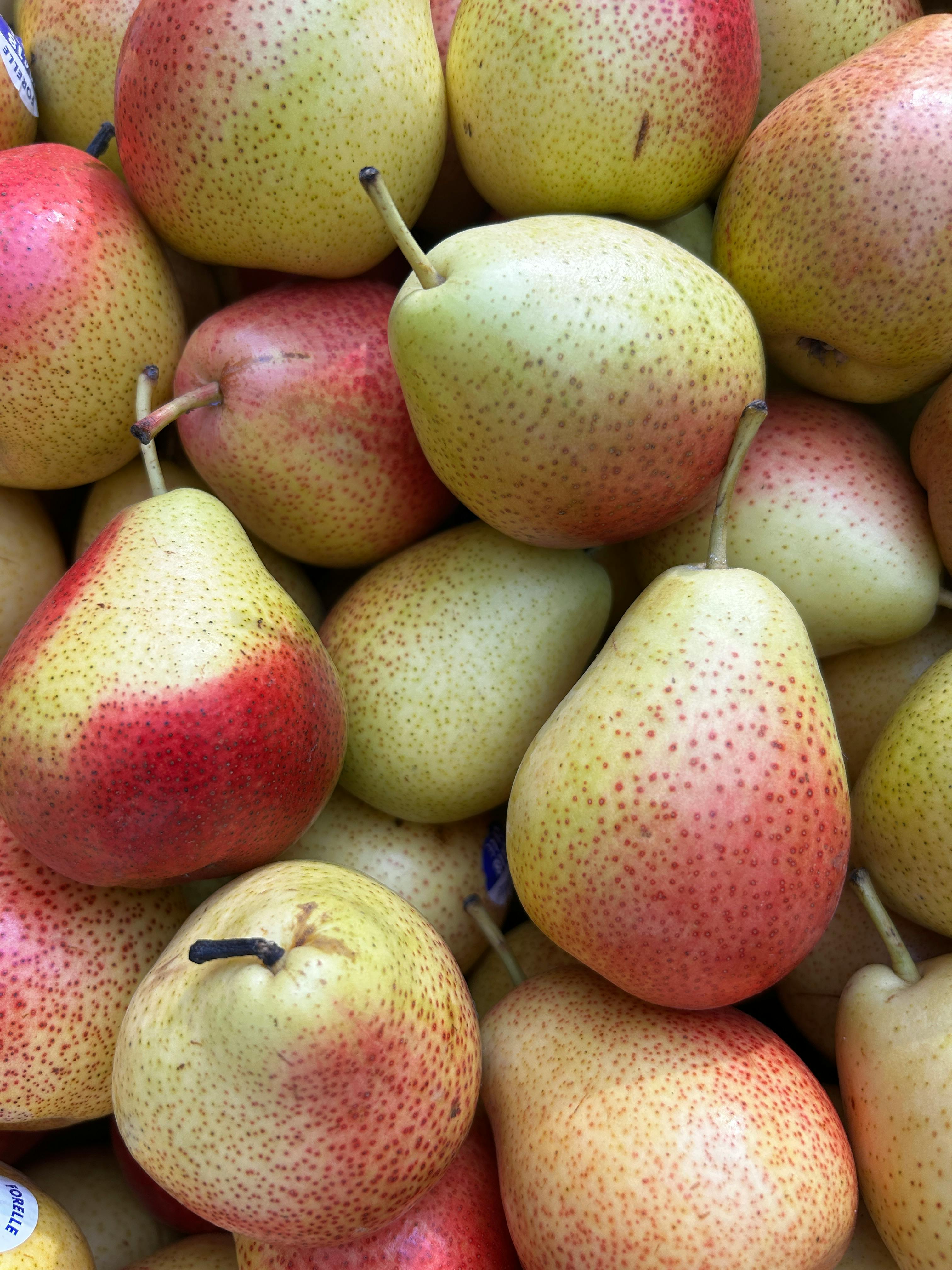
Tariffs directly affect the final sales price of products. Photo: Pexel
Pienaar further stressed the importance of diversifying access to markets not yet open to South African apples and pears.
More than a year ago, Tru-Cape’s Far East programme was largely concentrated in Malaysia and Singapore and expanded to China, Indonesia, Thailand, Vietnam, Sri Lanka and Bangladesh, significantly reshaping the export landscape.
Philippines
“The industry is hopeful of gaining access to the Philippines in the near future, while Pienaar added that Taiwan should be reopened to South African apples. We commend the government for the progress made with China,” Pienaar said.
“These are critical to strengthening the apple and pear industry, driving growth and supporting sustainable employment across the value chain.”
• Share your agriculture news: agri@ofm.co.za.