
Central SA
Stakeholders gather to confront systemic migration challenges─── REFILWE BEKANE 15:49 Fri, 23 Jan 2026

Free State law enforcement officials find themselves legally disarmed when attempting to deport undocumented migrants due to court rulings granting immediate protection to asylum seekers.
These systemic challenges were the focus of a public consultation workshop at the President Hotel in Bloemfontein on Friday (23/1). Home affairs minister Dr Leon Schreiber and Free State Premier Maqueen Letsoha-Mathae hosted the session to engage stakeholders on the draft revised white paper on citizenship, immigration, and refugee protection.
The workshop was attended by a diverse range of stakeholders, local communities, police officials, and councillors, all of whom gathered to discuss the practical impact of current migration laws on provincial governance and safety.
The workshop explored the tension between immigration laws and the constitutional rights of foreign nationals, highlighting how these legal frameworks often prevent the immediate deportation of undocumented persons.
Officials noted these challenges create significant pressure on provincial resources, making it difficult to manage unlawful migration effectively.
A major point of discussion was the Bula and Ruta court judgments. These rulings dictate that once an individual in a detention facility like Lindela indicates an intention to apply for asylum, they must be released to do so.
‘When the person is legal, they get a permit to work and run a business’
This process grants the individual a legal permit to work and stay in South Africa while their application is pending.
“The court said you cannot deport that person, so a person who has already been deported is now legal in the country. And when the person is legal, as an asylum seeker, they get a permit to work and run a business,” said home affairs operations chief director general Thulani Mavuso.
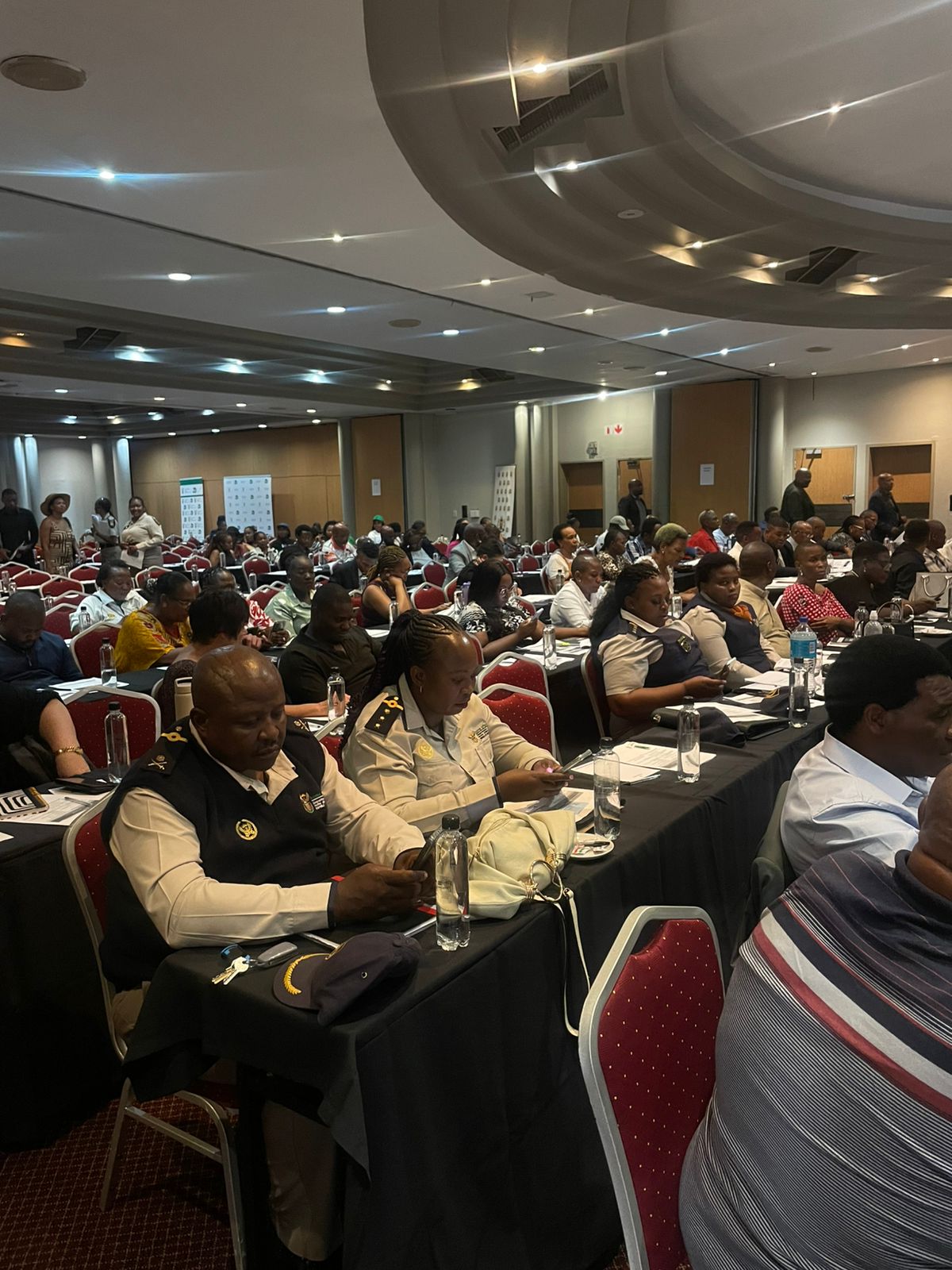
Different stakeholders were present at the workshop. Photo: Refilwe Bekane
The session also explored the constitutional obligations that complicate immigration enforcement in local sectors. Under Chapter 2 of the Constitution, every child has the right to basic education, regardless of their parents’ legal status.
This has led to a significant number of undocumented children being enrolled in Free State schools.
Mavuso said previous attempts to charge school principals for aiding and abetting undocumented migrants under Section 42 of the Immigration Act were stopped. Courts found these actions unconstitutional because the Bill of Rights protects the child’s right to schooling above the parent’s immigration status.
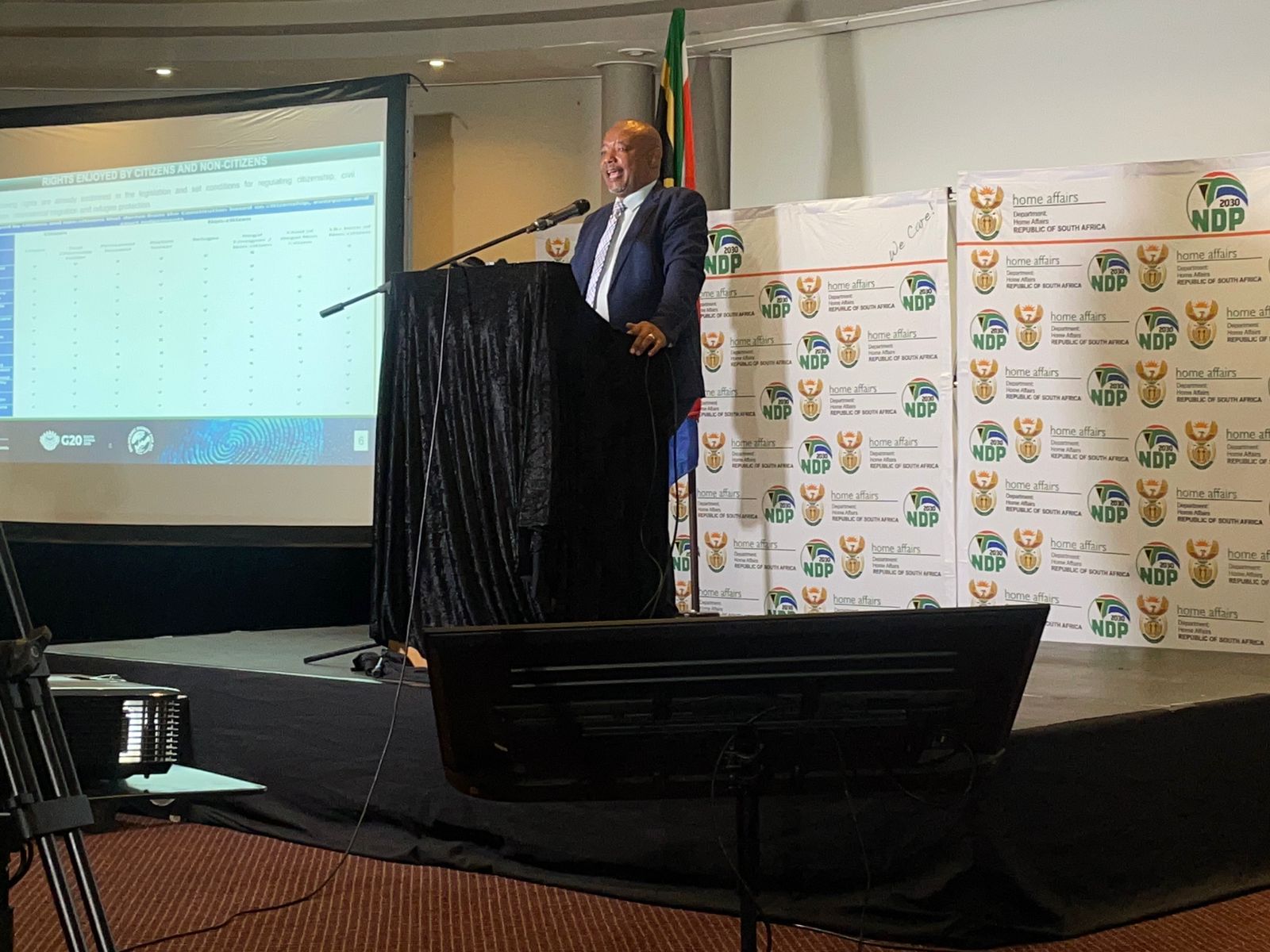
The chief director general, operations for home affairs, Thulani Mavuso. Photo: Refilwe Bekane
“Illegal migration is a reality that worries all of us, including the government. We need to find a solution together. The approach that you are introducing here is a whole-of-government, a whole-of-society approach,” said Mavuso.
The department emphasised they aim to protect legal migrants who contribute to society.
The proposed white paper seeks to overhaul these laws to better balance the protection of human rights with the state’s need for secure border management.
• Have a news tip to share? Phone or whatsapp the OFM News Hotline: 066 487 1427.